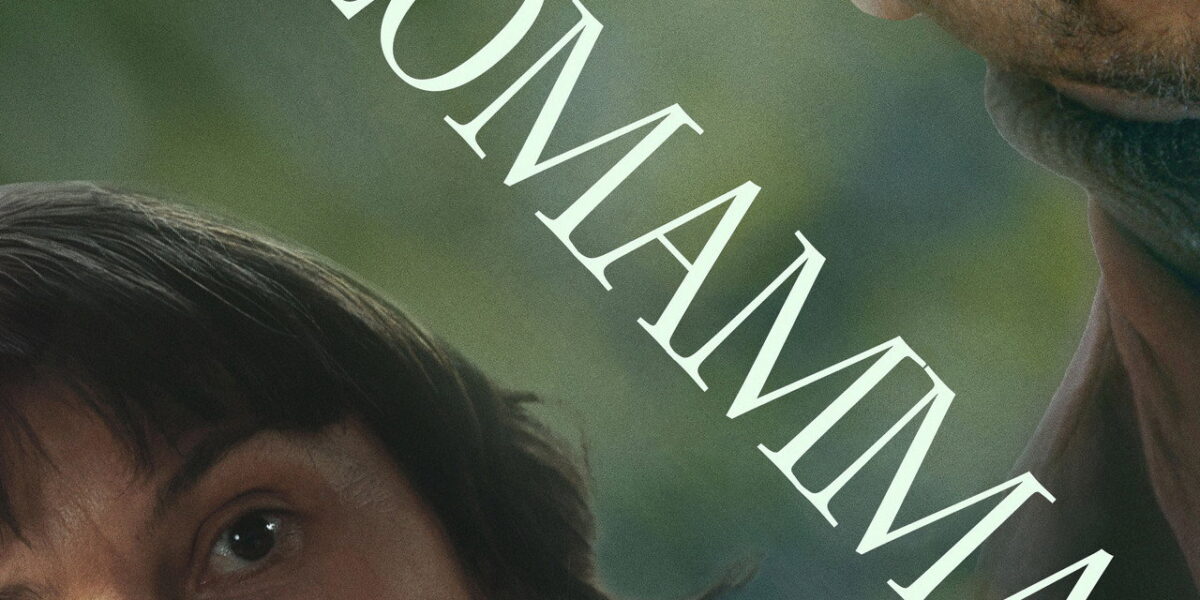
Solomamma: Honest Review — Is It Worth Watching? | 6.0/10
Solomamma is a scrappy, uneven Nordic comedy that stumbles into genuine emotional territory when it stops trying so hard to be clever. It’s got charm and awkwardness in spades, but the execution betrays the premise more often than it serves it.
| Director | Janicke Askevold |
| Cast | Lisa Loven Kongsli, Herbert Nordrum, Rolf Kristian Larsen, Nasrin Khusrawi, Kaveh Tehrani |
| Runtime | 99 min |
| Genre | Comedy, Drama |
| Year | 2025 |
Solomamma: The plot (no spoilers)
Solomamma centers on Edith, a curious journalist and single parent who decides—on a whim of neurotic impulse—to track down the anonymous sperm donor responsible for her kid’s existence. What starts as a fabricated interview request becomes a chaotic, frequently uncomfortable dance between two people who have no business being in the same room together. The film banks on this discomfort as currency, which is smart in theory, messier in practice.
The movie trades in awkward comedy and quiet desperation, the kind of Scandinavian sensibility that finds pathos in everyday failure and miscommunication. You’re watching a woman lie her way into an investigation of herself, which is the sort of premise that could go beautifully sideways or collapse entirely depending on who’s steering. Askevold’s direction walks that tightrope unsteadily, sometimes nailing the tone, sometimes losing it to sentimental detours.
Acting & direction
Lisa Loven Kongsli carries this film on her back with a performance that’s all nervous energy and suppressed panic—she’s perfect as someone drowning in her own bad decisions. Herbert Nordrum plays the sperm donor with a stiffness that could read as coldness or vulnerability depending on the scene, and his inconsistency is both the film’s biggest asset and its most frustrating liability. The supporting cast doesn’t embarrass themselves, but they exist mainly as obstacles to the main relationship’s development.
Askevold’s directorial hand is light but scattered, favoring naturalistic dialogue over visual flourish, which works until the film leans into melodrama and suddenly the aesthetic can’t support the emotional weight it’s trying to bear. The pacing drags in the middle section, where you’re waiting for something to happen that never quite arrives with impact. The score is aggressively Norwegian—all minor chords and melancholic strings—which either underlines the mood beautifully or hammers you over the head with it, depending on the moment.
The strengths
- Kongsli’s performance is fearless and raw, transforming Edith from a cute concept into a fully realized woman drowning in her own neuroses and maternal anxiety.
- The film refuses easy answers or neat resolutions, instead opting for ambiguity that mirrors real human relationships in their messiness.
- There’s genuine humor buried in the awkwardness, especially in early scenes where Edith’s lies start unraveling faster than she can construct them.
- The examination of single motherhood avoids mawkishness and instead focuses on the practical, emotional exhaustion of parenting alone.
The weaknesses
- The tone whiplashes constantly between dark comedy and earnest drama, and it rarely lands both simultaneously with the precision it needs.
- The third act abandons what made the premise interesting—the deception, the cat-and-mouse dynamic—in favor of confessional scenes that feel obligatory rather than earned.
- Nordrum’s character never fully comes into focus; he remains an enigma when the story needs him to be a person, leaving the dynamic one-sided.
- At 99 minutes, the film still feels padded with scenes that don’t move anything forward, particularly subplots involving Edith’s work life that drain momentum.
Who should watch it
If you’re drawn to Nordic cinema’s particular brand of emotional restraint mixed with dark humor—think along the lines of dramedy in the tradition of recent Scandinavian television—then Solomamma is worth a look. Viewers who appreciate character studies over plot-driven narratives, and who don’t mind sitting with uncomfortable silences, will find more to love here than those hunting for conventional laughs or tidy resolutions. It’s a film for people who’ve felt trapped by their own lies.
Final verdict
Solomamma is imperfect, sometimes frustratingly so, but it’s also genuinely alive in ways that matter. Askevold’s film doesn’t solve the central conflict so much as it excavates it, letting you see the wreckage underneath and asking you to find meaning in the rubble. Lisa Loven Kongsli deserves better material in places, but she elevates what she’s given. This isn’t essential viewing, but it’s honest, and in 2025, that’s something worth noting. A solid 6.8/10 that you’ll either respect or resent depending on your tolerance for Scandinavian angst.
Scopri di più su IMDB.
FAQ
Is Solomamma based on a true story?
No, Solomamma is a fictional narrative written and directed by Janicke Askevold, though it draws inspiration from contemporary conversations around single motherhood and anonymous donor conception in modern society.
What’s the main difference between Solomamma and other single-parent comedies?
This film focuses on deception and moral ambiguity rather than heartwarming moments; it’s darker and messier than typical family comedies, prioritizing discomfort over reassurance.
Does Solomamma have English subtitles or dubbing?
It’s a Norwegian film, so English-language versions come with subtitles; dubbing availability depends on your streaming platform, but original audio with subtitles is the standard theatrical release.
How does Solomamma compare to other recent Nordic films?
It shares DNA with Scandinavian cinema’s preference for restraint and moral complexity, though it’s lighter in tone than darker Nordic offerings—closer to intimate character studies than psychological thrillers.
Is there a happy ending in Solomamma?
The ending is deliberately ambiguous and bittersweet, avoiding traditional resolution; if you need closure, this film will frustrate you, but if you prefer open-ended character conclusions, you’ll appreciate it more.