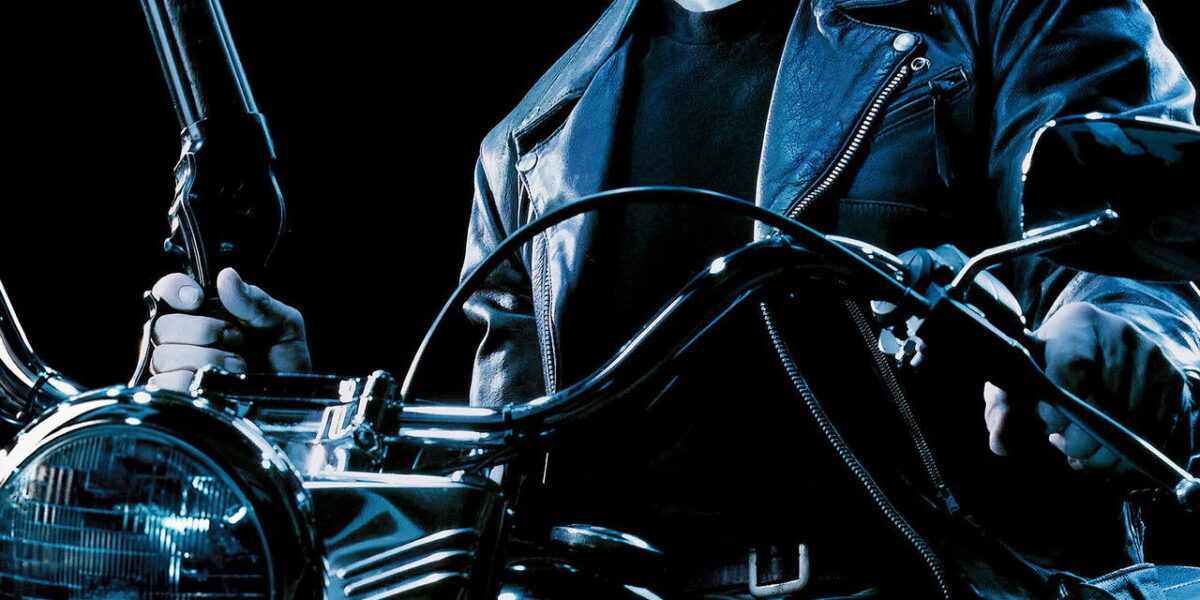
Terminator 2: Judgment Day: Honest Review — Is It Worth Watching? | 8.2/10
Terminator 2: Judgment Day is a brutally efficient masterpiece that doesn’t waste a single frame—it’s the rare blockbuster that feels both visceral and genuinely smart. If you haven’t seen James Cameron completely redefine what action cinema could be, this is non-negotiable viewing.
| Director | James Cameron |
| Cast | Arnold Schwarzenegger, Linda Hamilton, Edward Furlong, Robert Patrick, Earl Boen |
| Runtime | 137 minutes |
| Genre | Action, Thriller, Science Fiction |
| Year | 1991 |
Terminator 2: Judgment Day: The plot (no spoilers)
So here’s the core of Terminator 2: Judgment Day—a reprogrammed T-800 cyborg gets sent back to protect young John Connor from the T-1000, a liquid-metal nightmare that makes the original Terminator look like a toaster. The stakes are apocalyptic: if Skynet wins, humanity burns. But Cameron doesn’t just wrap this in explosions; he builds genuine tension by forcing these characters into an impossible situation where trust becomes the real weapon.
The film establishes its universe with surgical precision—we’re in a near-future where technology is both savior and executioner. Sarah Connor, played with feral intensity, has spent a decade preparing for war, and now her son’s safety depends on a machine that was literally built to kill him. The movie doesn’t explain everything in voiceover; it trusts you to keep up, and that confidence is intoxicating.
Acting & direction
Arnold Schwarzenegger delivers what might be his most thoughtful performance as the T-800—there’s something unexpectedly poignant about a killing machine learning humanity through a kid’s request to smile. Linda Hamilton transforms Sarah from the frightened waitress of the first film into a hardened soldier without losing her maternal urgency, and Robert Patrick makes the T-1000 feel genuinely terrifying through relentless, economical movement.
Cameron orchestrates all this with the precision of a Swiss watchmaker on amphetamines—every shot serves the story, every cut escalates tension. The cinematography by Adam Greenberg bathes sequences in harsh, clinical light that makes violence feel consequential rather than cartoonish. Brad Fiedel’s score pulses with a metallic, synth-driven urgency that would’ve been cheesy in less capable hands but here becomes absolutely iconic.
The strengths
- The T-1000 set-pieces are still groundbreaking—Cameron’s blend of practical effects and early CGI created something that hasn’t aged a day and makes modern blockbusters look timid.
- The mother-son dynamic between Sarah and John gives the spectacle an emotional core that actually lands instead of feeling obligatory or sentimental.
- Every scene has a clear function; Cameron doesn’t pad the runtime with bullshit exposition or false drama—it’s 137 minutes of narrative momentum with zero filler.
- The film asks real questions about fate and free will without becoming preachy, letting the action itself carry the philosophical weight.
The weaknesses
- Edward Furlong’s performance is occasionally whiny and theatrical in ways that jar against the film’s otherwise lean aesthetic, though it’s more a casting quibble than a story problem.
- Some of the dialogue about reprogramming and tech specs can feel clunky, especially when exposition gets crammed into conversations that would feel more natural as silent action.
Who should watch it
If you’re into science fiction action that doesn’t insult your intelligence, or you love practical effects, this is essential viewing—it sits comfortably alongside films like Aliens and The Road Warrior as proof that blockbusters can be art. Even if you typically roll your eyes at sequels, this one actually expands its universe rather than just repeating the original, and it stands as one of the most influential films ever made.
Final verdict
Terminator 2: Judgment Day remains a masterclass in blockbuster filmmaking because Cameron understood that spectacle without character is just expensive noise. The action sequences are phenomenal, yes, but they matter because we care about these people—and the movie earns that care through restraint and clarity. This is what happens when a visionary director has both budget and confidence, and thirty-plus years later it’s still sharper than 90% of what passes for tentpole cinema today. Absolutely essential.
FAQ
Is Terminator 2: Judgment Day better than the original?
It’s not a matter of better—it’s a different, evolved film that deepens the mythology. The original is leaner and meaner; this one has scope and emotional complexity. Both are masterpieces in different ways.
Do I need to watch the first Terminator before T2?
You technically can jump straight to T2 since Cameron recaps the essential backstory, but watching the original first enriches your appreciation of how Sarah Connor has changed and why the mythology matters.
How do the special effects hold up today?
Remarkably well—the practical effects are timeless, and the CGI T-1000, while slightly dated in close-ups, still conveys menace better than most modern blockbuster tech looks today.
Is the director’s cut worth watching?
Yes, if you can find it—Cameron’s extended cut adds character moments and context that deepen the film without breaking pacing, though the theatrical cut is already exceptional.
Does Terminator 2 stand alone, or should I watch the sequels?
It’s completely self-contained and satisfying on its own; the sequels are mostly diminishing returns, so there’s zero obligation to continue the franchise.