The Invite: Honest Review — Is It Worth Watching? | 7.3/10
The Invite is a sharp, uncomfortable night out that lands more often than it misfires—a dinner party thriller wrapped in dark comedy that actually has something to say about modern marriage. It won’t save your relationship, but it’ll make you squirm in all the right ways.
| Director | Olivia Wilde |
| Cast | Seth Rogen, Olivia Wilde, Penélope Cruz, Edward Norton, Skip Howland |
| Runtime | 107 min |
| Genre | Comedy, Drama, Romance |
| Year | 2026 |
The Invite: The plot (no spoilers)
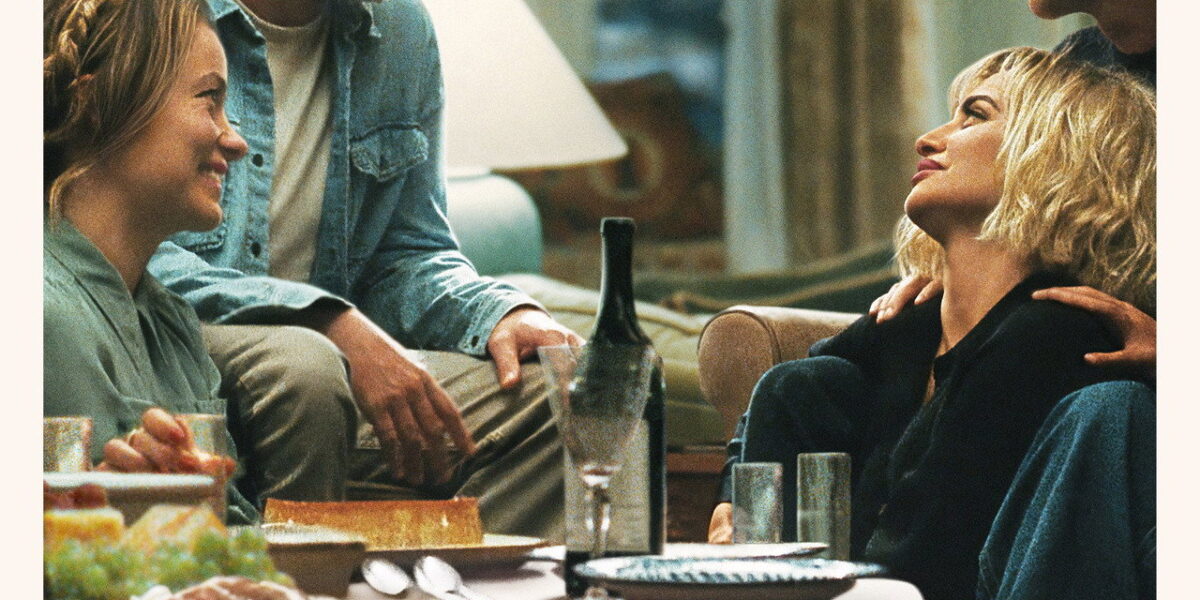
Joe and Angela are drowning in marital indifference—the kind where you can’t remember why you got angry anymore, just that you’re stuck. The Invite takes their desperation and throws two enigmatic neighbors into the mix at a dinner party, and what follows is a night that peels back every layer of pretense these people have built. The premise sounds like a setup for a wine-fueled disaster, and honestly, that’s exactly what it is, but Wilde refuses to let it stay comfortable.
The film trades in uncomfortable proximity—these four people trapped in an apartment where every glance carries weight and every toast feels like a threat. You’re expecting one thing and the movie keeps yanking you sideways, which is either brilliant or exhausting depending on your patience for chaos masquerading as intimacy. By the end, you’re never quite sure if what you witnessed was salvation or the moment everything finally broke.
Acting & direction
Seth Rogen strips away his default persona here and gives Joe a trembling vulnerability that catches you off guard—this is a man grasping at straws, and you feel it in every hesitation. Penélope Cruz and Edward Norton arrive as the neighbors like beautiful chaos agents, all charm and menace, and the film’s best moments happen when Rogen and Cruz lock eyes across the dinner table. Olivia Wilde herself as Angela underplays brilliantly, letting resentment creep in through silences rather than speeches.
Wilde’s direction is deliberately claustrophobic—she keeps the camera close, catches conversations overlapping, and refuses to give you the easy emotional beat when you want it. The cinematography favors warm, amber-tinted apartment lighting that makes everything feel slightly suffocating, and the editing snaps between perspectives to keep you disoriented. It’s all tension and release, tension and release, which works until it doesn’t, and when it stops working, it really stops working.
The strengths
- The dinner party itself becomes a character—every course, every drink, every moment of forced laughter feels like a ticking bomb waiting to detonate.
- Penélope Cruz and Edward Norton bring a predatory sophistication to their roles that makes you genuinely unsure whether they’re saviors or architects of destruction.
- The film commits to its uncomfortable premise without winking at the camera or backing away from the messiness of actual human connection and failure.
- There are moments of genuine hilarity buried in the dread—the script knows when to let absurdity crack through the tension.
The weaknesses
- The second act meanders in places where it should accelerate, and there are stretches where you’re watching people talk in circles without gaining new insight into their dysfunction.
- The film’s attempt to balance comedy and drama occasionally short-circuits, leaving scenes that should land emotionally instead feeling like false starts or tonal whiplash.
- Some of the dialogue tries too hard to be clever rather than true, and certain character revelations feel more like plot machinery than organic human behavior.
Who should watch it
This is for people who loved Who’s Afraid of Virginia Woolf but wish it had more bite and less theatrical grandstanding, or those who appreciated Scenes from a Marriage but wanted the chaos turned up to eleven. If you’re drawn to dark comedies about relationship implosion and don’t need your endings gift-wrapped in resolution, then the film speaks your language. You need to be comfortable sitting in genuine discomfort for two hours without the safety net of clear moral judgment.
Final verdict
The Invite is a bold, occasionally brilliant mess that swings for the fences and connects more often than it swings and misses. Wilde understands that marriage is both the most mundane and most terrifying thing two people can do together, and she’s made a film that refuses to sentimentalize either side of that equation. It won’t work for everyone—the pacing stutters, some scenes overstay their welcome, and the tonal shifts can feel jarring—but when it hits, it hits hard enough to leave marks. Worth watching, especially if you’re willing to bring your own discomfort to the party.
Rating: 7.3/10—a solid film that trusts its audience and refuses easy answers.
FAQ
Is The Invite based on a true story?
No, it’s an original screenplay by Olivia Wilde, though the dinner party dynamic draws from universal anxieties about marriage and social performance rather than any specific real event.
Does The Invite have a happy ending?
Not in the traditional sense—the film refuses to offer clear resolution or simple redemption, instead leaving you with ambiguity that mirrors real life more than most films dare to.
How dark does The Invite get?
It ventures into psychological territory without becoming a thriller; it’s uncomfortable and occasionally unsettling, but grounded in character rather than shock value or explicit violence.
What’s the runtime and is it too long?
107 minutes feels right for the story’s pacing, though some viewers may find the second act drags—depends on your patience for character-driven tension without constant plot momentum.
Where can I watch The Invite?
Check IMDB for current streaming availability in your region, as platforms vary by location and release timing.