The Lift: Honest Review — Is It Worth Watching? | 0.0/10
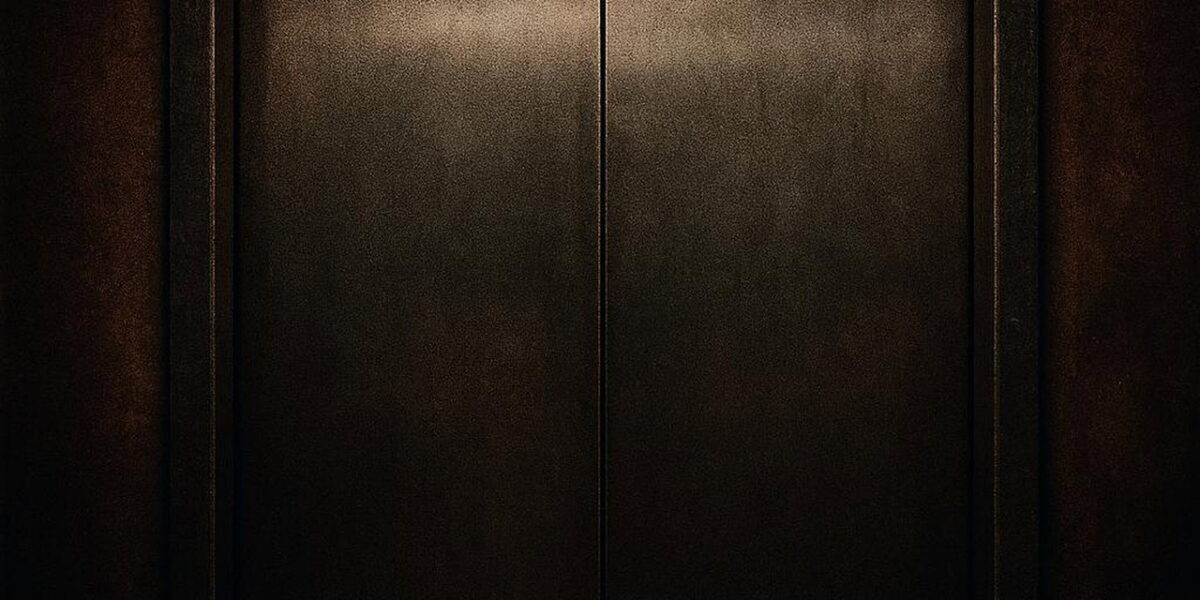
The Lift is a fascinating formal experiment that bites off more than it can chew, trapping six strangers in a metal box during a catastrophe in 1980s Bologna with nowhere to hide dramatically. The gimmick—shooting entirely inside an elevator—is clever enough, but the film struggles to justify why this constraint serves the story rather than just strangling it.
| Director | Emanuele D’Antonio |
| Cast | Aleksandra Rinaldi, Mirjan Boraj, Mario De Luca, Line Claude Tobel, Stefano Mattioli |
| Runtime | 73 min |
| Genre | Thriller, Drama |
| Year | 2026 |
The Lift: The plot (no spoilers)
The Lift drops us into August 2, 1980, Bologna, where six complete strangers find themselves caged in an elevator as something catastrophic shakes the central station above them. The roar—that’s all we get to know about what’s happening outside—becomes the invisible antagonist, and the film commits fully to the fact that none of these people can leave or call for help in any meaningful way. It’s a locked-room thriller with the added indignity of fluorescent lights and recycled air.
The film leans into pure claustrophobia and interpersonal tension as a substitute for plot mechanics, betting everything on whether the audience will find six strangers arguing in a confined space more compelling than, say, actually showing us what caused the disaster in the first place. It’s a bold move that occasionally pays off, though more often it feels like watching someone solve a Rubik’s cube while blindfolded—technically impressive but somewhat pointless.
Acting & direction
Aleksandra Rinaldi carries much of the emotional weight with a performance that feels genuinely unsettled, while Mirjan Boraj plays against type as the voice of paranoid chaos, and Mario De Luca grounds scenes with working-class skepticism that cuts through the hysteria. Line Claude Tobel and Stefano Mattioli feel slightly underutilized, pushed into supporting roles that don’t quite deserve the talent on display, and the ensemble chemistry is functional rather than electric.
Emanuele D’Antonio’s direction is technically audacious—the camera work inside that metal coffin shows real ingenuity, using mirrors, reflection, and spatial cutting to prevent visual monotony—but the pacing sags noticeably in the middle sections where character drama becomes repetitive wheel-spinning. The score is deliberately minimalist, which works when tension builds but backfires during slower passages, leaving long stretches that feel less like suspense and more like waiting for an actual elevator repair person.
The strengths
- The formal constraint is genuinely bold, and there are stretches where the film weaponizes that limitation into genuine unease.
- The decision to keep the outside disaster abstract—just that roar, just the lights flickering—creates psychological dread that feels more unsettling than any visible special effect could manage.
- At seventy-three minutes, the film respects your time and doesn’t overstay its welcome, which is the one thing it gets entirely right.
The weaknesses
- The script relies too heavily on character conflict without giving these people enough dimension to make that conflict feel like anything more than melodramatic filler.
- The film eventually reveals its central twist in a way that deflates rather than deepens the experience, making you realize you’ve been watching a moderately clever idea poorly executed.
Who should watch it
If you’re the type who gets excited by experimental cinema and appreciate confined-space thrillers like Cube or The Platform, or if you respect directors willing to shoot an entire feature in one location, this deserves a look—but go in knowing you’re paying for the concept, not the narrative payoff. Fans of European indie cinema and bold formal risks will find something to chew on, even if it doesn’t quite satisfy.
Final verdict
The film is a swing for the fences that lands somewhere between a single and a strikeout—too interesting to dismiss entirely, too narratively thin to fully recommend. The Lift proves that a gimmick can generate genuine tension for a while, but seventy-three minutes is exactly long enough to expose how little D’Antonio actually has to say once the initial claustrophobia wears off. It’s a film that deserves respect for its ambition and technical competence, but not much else beyond that deserves your attention.
Scopri di più su IMDB.
FAQ
Is The Lift really shot entirely in one elevator?
Yes, the entire film takes place inside the elevator cabin with six trapped characters from start to finish, no cuts to the outside world or other locations.
What causes the disaster in The Lift?
The film deliberately keeps the external event abstract—viewers only hear a roaring sound and see flickering lights, never learning exactly what happened at the Bologna station.
How long is The Lift?
The film runs seventy-three minutes, making it a tight, focused thriller that doesn’t waste time with filler.
Is The Lift based on a true story?
No, it’s a fictional thriller by director Emanuele D’Antonio inspired by the concept of confined-space survival, not based on an actual historical event.
Who wrote The Lift screenplay?
The film is based on an idea from Luca Redavid (author of Sexocracy), directed by Emanuele D’Antonio, though full writing credits aren’t widely documented.