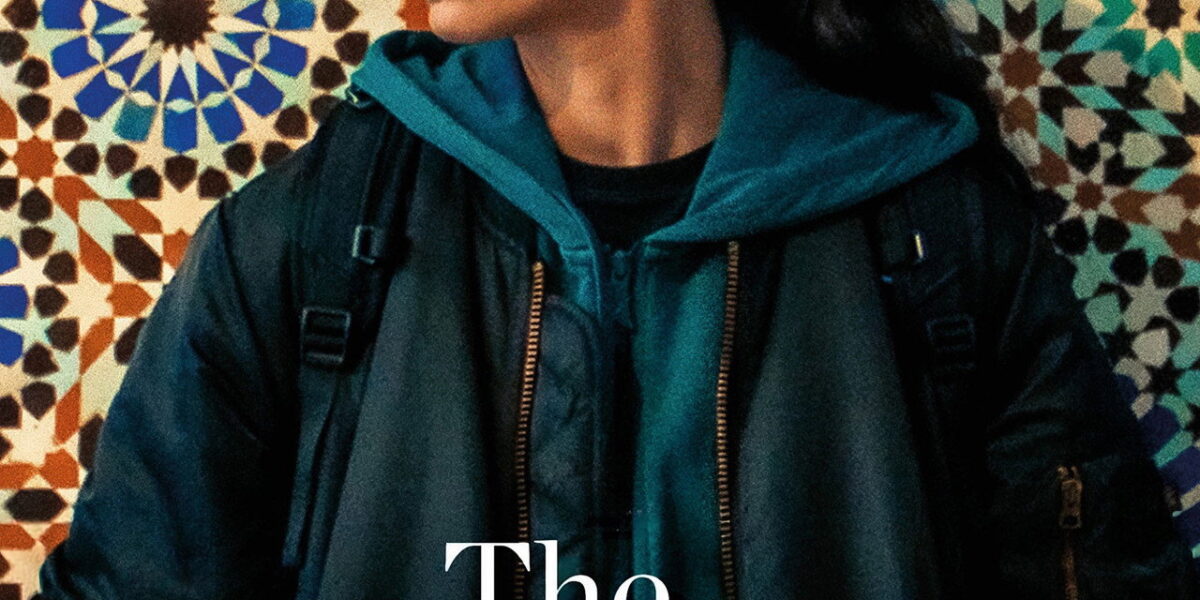
The Little Sister: Honest Review — Is It Worth Watching? | 6.9/10
The Little Sister is a tender, occasionally messy coming-of-age drama that doesn’t pretend to have all the answers, which is exactly why it feels alive. Hafsia Herzi’s debut manages to capture the real contradictions of being seventeen, caught between football pitches and secret kisses, between your mother’s expectations and your own trembling heart.
| Director | Hafsia Herzi |
| Cast | Nadia Melliti, Park Ji-min, Amina Ben Mohamed, Rita Benmannana, Melissa Guers |
| Runtime | 112 minutes |
| Genre | Drama, Romance |
| Year | 2025 |
The Little Sister: The plot (no spoilers)
The Little Sister follows Fatima, seventeen, the youngest in a French-Algerian family scraping by in a Paris suburb, juggling prep school, a secret boyfriend, and a far bigger secret—she’s falling for women. The premise sounds like it could slide into heavy-handed territory, but Herzi’s script resists the urge to make this a Statement Film about identity politics. Instead, it’s grounded in the small, crushing moments of everyday deception.
The film breathes the air of confined spaces: family dinners thick with unspoken rules, school hallways where rumors travel faster than truth, the football pitch as the only place where Fatima can be ruthlessly, honestly herself. You expect a triumphal coming-out narrative, but the movie has something more interesting in mind—the messiness of figuring out who you are while everyone else is already certain they know.
Acting & direction
Nadia Melliti carries this film on her shoulders with a performance that’s beautifully restrained, letting her eyes do the heavy lifting when her mouth can’t speak the truth. Park Ji-min‘s presence is electric in scenes where they can breathe, but the film doesn’t give them nearly enough time together—a missed opportunity. The ensemble family members feel lived-in, especially Amina Ben Mohamed, who plays Fatima’s mother with enough warmth and rigidity to break your heart without saying much at all.
Herzi’s direction favors naturalistic dialogue and long takes that let silences matter—she’s clearly studied the intimate realism of filmmakers like Céline Sciamma, though she hasn’t quite reached that level of formal precision yet. The cinematography is deliberately muted, all grays and soft light filtering through Parisian windows, which mirrors Fatima’s own desire to disappear. The pacing occasionally drags in the second act, where the film repeats the same emotional beats rather than deepening them.
The strengths
- Nadia Melliti’s performance is the real deal—she communicates volumes through posture, breath, and the way she holds herself away from people who love her.
- The film refuses to flatten its characters into victims or heroes, instead showing how tradition and love can coexist in the same person without resolving into easy answers.
- The football sequences are genuinely thrilling, shot with kinetic energy that contrasts beautifully with the film’s quieter domestic scenes, making sports feel like Fatima’s only honest language.
- Herzi understands that sometimes the cruelest thing people do is done out of love, and the film doesn’t let anyone—least of all Fatima herself—off the moral hook.
The weaknesses
- The pacing in the middle section feels repetitive, cycling through the same conflicts without sufficient escalation or revelation to justify the runtime.
- Park Ji-min’s character remains underdeveloped, functioning more as a plot device than a fully realized person, which undercuts the romantic dimension of the story.
- The film occasionally tips toward melodrama in its final act, abandoning the subtle naturalism that makes the earlier scenes so powerful.
- Some supporting characters feel sketched rather than embodied, particularly in the school environment where Fatima’s social dynamics could have been richer and more textured.
Who should watch it
This is squarely for people who love intimate character dramas about identity and family friction—think Portrait of a Lady on Fire or The Half of It, though this film isn’t quite as assured as either of those. If you’re tired of coming-of-age stories that wrap everything up in a bow, or if you appreciate cinema that trusts you to sit with discomfort and contradiction, this will reward your patience on IMDB. Viewers who’ve lived through code-switching between family worlds and personal truth will recognize themselves on screen.
Final verdict
The Little Sister is an uneven but genuinely moving debut that proves Herzi has something to say about the space between who we are and who we’re allowed to be. It’s not perfect—the script could use trimming, the romance needed more oxygen, and the ending fumbles what it’s been building toward. But Nadia Melliti‘s performance and the film’s refusal to sentimentalize its characters’ pain kept me engaged even when the narrative stumbled. This is a 7.1 because it reaches for something real and mostly gets there, warts and all—a respectable, human film that doesn’t pretend to have answers it doesn’t possess.
FAQ
Is The Little Sister based on a true story?
No, it’s an original screenplay by director Hafsia Herzi, though it draws on universal experiences of identity conflict and family expectation that feel autobiographically informed.
Does The Little Sister have a happy ending?
The film ends ambiguously, refusing to confirm whether Fatima will come out or remain closeted—it’s intentionally unresolved, which some find honest and others find frustrating.
What’s the age rating for The Little Sister?
The film contains sexual content and some language, making it appropriate for mature teens and adults, though parental guidance is recommended for younger viewers.
How does The Little Sister compare to similar LGBTQ+ coming-of-age films?
It’s less formally inventive than Portrait of a Lady on Fire but more grounded in family dynamics than The Half of It—it occupies the middle ground between those two approaches.
Is Park Ji-min (the actor) the Korean idol?
No, this is a different actor—the casting of a non-French performer as Fatima’s love interest adds another layer of outsider complexity to the narrative.
Tags: coming-of-age drama, LGBTQ+ cinema, French film 2025, identity and family, Hafsia Herzi