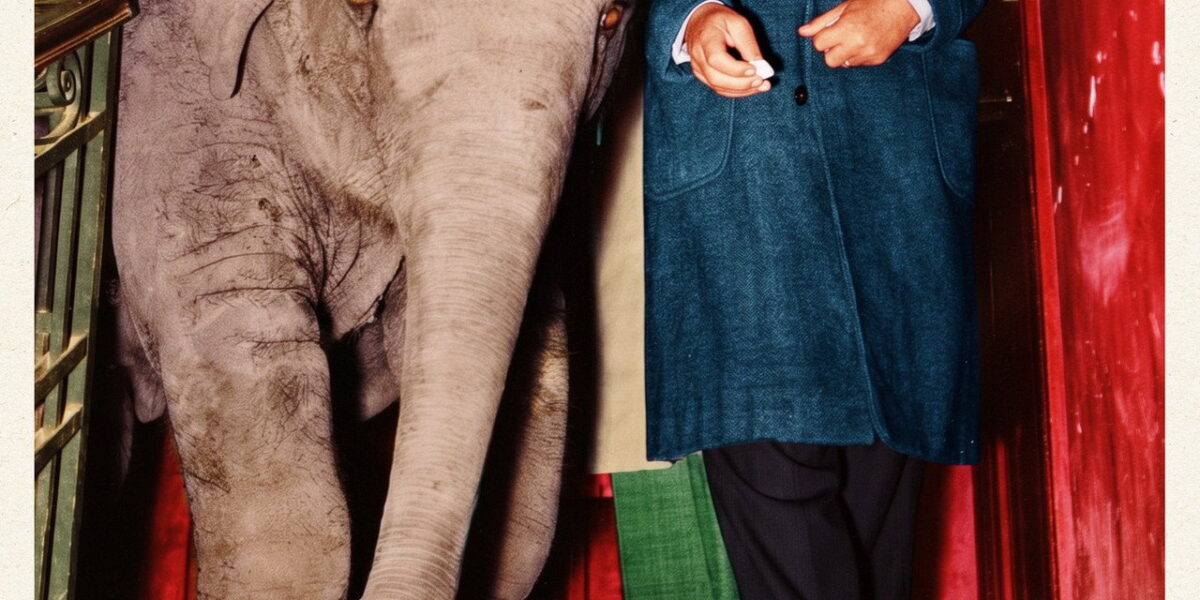
Vittorio De Sica: Staging Life: Honest Review — Is It Worth Watching? | 0.0/10
Vittorio De Sica: Staging Life is a documentary that genuinely honors its subject without drowning him in hagiography, and it’s absolutely worth your time if you care about how cinema became a mirror for the poor and forgotten. The film’s access to family archives and that killer lineup of contemporary witnesses—Isabella Rossellini, Ruben Östlund—lifts what could have been a dry encyclopedia entry into something breathable and alive.
| Director | Francesco Zippel |
| Cast | Vittorio De Sica, Christian De Sica, Isabella Rossellini, Eleonora Baldwin, Ruben Östlund |
| Runtime | 100 min |
| Genre | Documentary |
| Year | 2026 |
The plot (no spoilers)
Vittorio De Sica: Staging Life traces the trajectory of one of cinema’s most uncompromising observers—a man who looked at postwar Italy’s rubble and saw not tragedy but the dignity of ordinary people struggling to eat and sleep and love. The film moves chronologically through his career, from early work to the masterpieces like Bicycle Thieves and Umberto D., charting how he became a humanist rather than just a technician with a camera.
The movie unfolds with the intimate access that only family cooperation can grant, layering archival footage and stills against contemporary testimony from filmmakers who’ve drunk deeply from De Sica’s well. Zippel’s approach is measured but never sluggish—he trusts that De Sica’s own films speak louder than any narrator could, so the film wisely lets long sequences of the master’s work breathe on screen.
Acting & direction
Christian De Sica, the director’s son, appears as the voice of memory and family perspective, anchoring the personal dimension without ever feeling maudlin or self-serving. Isabella Rossellini and Ruben Östlund deliver focused, intelligent commentary that feels earned rather than borrowed—they’re not here for a paycheck but because they genuinely understand what De Sica’s cinema meant to their own practice as filmmakers.
Francesco Zippel’s direction is respectfully restrained, which is exactly the right call for a film about a man who believed in the power of observation over manipulation. The cinematography shuttles between color restoration of De Sica’s originals, crisp interviews shot with classical framing, and grainy archival material that doesn’t get aggressively “enhanced” into oblivion. The editing rhythm respects contemplation—scenes linger just long enough to let ideas settle before moving forward.
The strengths
- The archival material is genuinely revelatory, showing De Sica on set, in his home, arguing with producers—these fragments illuminate how he worked rather than just theorizing about it.
- The international roster of filmmakers speaking to his influence (rather than just Italian critics and historians) proves that neorealism wasn’t a regional curiosity but a blueprint for how to see the world with compassion.
- At 100 minutes, the film resists the bloat of most documentaries; it knows when to stop talking and let a scene from Bicycle Thieves finish the argument for him.
- The restoration work on the archival footage is pristine without being aggressive—the images look how they should look, not how modern algorithms think they should look.
The weaknesses
- There’s a slight reverence that borders on the uncritical; the film touches on De Sica’s documented affairs and personal contradictions but never pushes hard enough into the gap between his humanistic cinema and his actual conduct as a man.
- Some of the contemporary interviews feel perfunctory, as if Zippel collected soundbites from important names without drilling deeper into specific artistic debts or disagreements.
- The film occasionally slips into the language of prestige documentary—vaguely inspirational statements about cinema’s mission that undercut the specificity and rigor De Sica himself brought to every frame.
Who should watch it
If you’re into documentary cinema about historical figures, Italian neorealism, or the craft of filmmaking itself, this is mandatory viewing and frankly a gift. Cinephiles who’ve internalized De Sica’s influence through watching contemporary humanistic dramas will find themselves nodding constantly, suddenly seeing the throughline connecting Bicycle Thieves to films by Östlund himself or the work of Ken Loach. Even if you’re only casually interested in film history, the movie is accessible and moving enough to work as a gateway into understanding why one man’s refusal to look away from poverty and indignity changed cinema forever.
Final verdict
Vittorio De Sica: Staging Life is a thoroughly professional, intelligently constructed portrait of a director whose work remains more relevant now than it was fifty years after his death, which is the highest compliment a biography can receive. It doesn’t reinvent the documentary form, and it doesn’t need to—Zippel understands that his job was to get out of the way and let De Sica’s cinema and his documented life do the arguing. The film earns its 100 minutes through patient accumulation of detail and testimony, building a case not for why De Sica matters but for how deeply his way of seeing has embedded itself in how cinema sees the world at all. Absolutely worth your time, especially if you’ve ever sat through Umberto D. and felt something break open inside you.
Scopri di più su IMDB.
FAQ
Is Vittorio De Sica: Staging Life worth watching?
Yes, absolutely—it’s a thoughtfully crafted documentary that honors De Sica’s legacy without getting lost in hagiography, and the archival material plus contemporary voices from filmmakers like Ruben Östlund make it essential viewing for anyone who cares about cinema history and humanistic filmmaking.
Do I need to have seen De Sica’s films to understand this documentary?
Not necessarily—Zippel wisely incorporates substantial sequences from De Sica’s work into the film itself, so you’ll experience his cinema as part of the documentary rather than needing to have done homework beforehand, though having seen Bicycle Thieves or Umberto D. will deepen your appreciation considerably.
How does this compare to other filmmaker biographies?
It’s more restrained and respectful of the subject’s work than many recent documentaries, which means it trusts the audience’s intelligence rather than spoon-feeding emotional beats—it’s closer in spirit to serious film essay documentaries than to prestige biography templates.
What’s the runtime and pacing like?
At 100 minutes, the film moves with deliberate contemplation rather than snappy cuts; it’s designed to let ideas and images settle, which means it rewards attention but won’t feel rushed or artificially accelerated for modern attention spans.
Is this film available internationally or just in Italy?
As a 2026 release with a significant international cast and filmmaker lineup, distribution should be wider than a typical Italian documentary, though you’ll want to check festival circuits and streaming platforms for your region—it’s exactly the kind of film that plays well at major festivals before finding a home on prestige platforms.